Creative Print Solutions through Professional Printing Services
Bring Your Ideas Into Concrete Results With Professional Printing Services
Converting ideas into tangible products is a responsibility often neglected. Expert printing solutions offer a answer through advanced technology and knowledge. They review article guarantee superior output that resonate with a brand's identity. Yet, choosing appropriate solutions and grasping the nuances can be challenging. Exploring the benefits and approaches of these offerings reveals how they can enhance one's perspective. The next steps in this journey may hold the key to attaining meaningful outcomes.
The Positive Aspects of Expert Printing Solutions
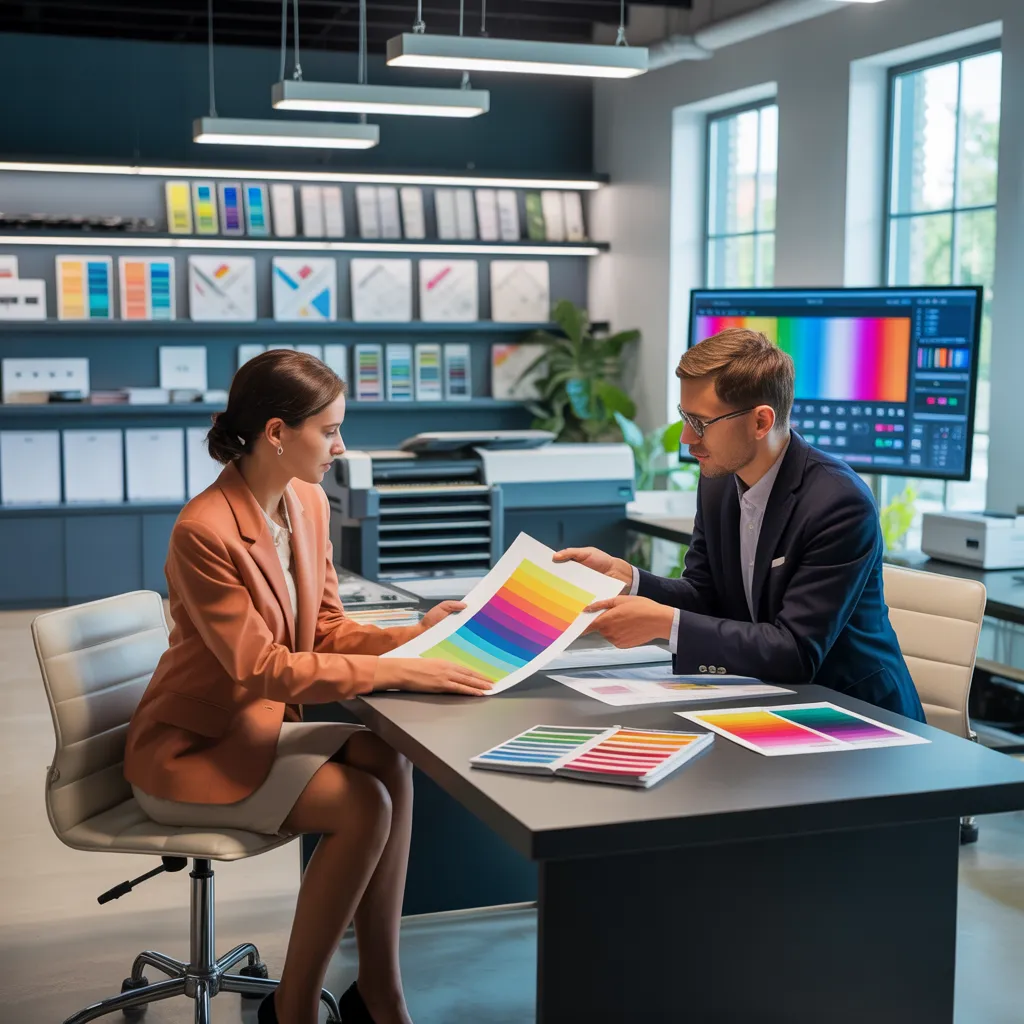
Professional print solutions offer a spectrum of advantages that can substantially boost the standard and efficiency of printed materials. These operations provide access to state-of-the-art equipment and equipment, confirming high-resolution prints that are both vibrant and professional. By leveraging expert methods, such as offset or digital printing, businesses can achieve a sophisticated finish that enhances their branding efforts.
Moreover, experienced print professionals often demonstrate proficiency in color management and paper selection, which can notably influence the final product. This understanding allows for standardization across multiple prints, producing a consistent brand image. Additionally, contracting print services can reduce time and expenses, facilitating individuals and businesses to concentrate on their main business functions.
Finally, specialized print companies often provide assistance on design and layout, ensuring that the final outcome meets the customer's needs. Overall, these strengths help develop striking print content that successfully deliver messages and engage audiences.
Selecting the Best Printing Options for Your Project
Choosing the suitable printing selections for a task can considerably determine its performance. Various considerations must be considered, encompassing the kind of content, printing method, and surface. For illustration, choosing between digital and offset printing depends on the output and intricacy of the task. Digital printing is perfect for short runs, while offset printing performs well in larger quantities and quality consistency.
Moreover, the selection of paper stock can affect the final appearance and feel of the printed material. A glossy surface may boost vibrancy, while non-glossy can give a more subdued look. Additionally, options such as binding and size should be in line with the project aim and intended audience.
In the end, reviewing these factors validates that the picked printing methods not only address the project's specifications but also connect with the intended message, thereby boosting its overall effectiveness and appeal.
Design for Print: Tips for Maximum Impact
Effective design for print depends on the power of graphic expression. To obtain optimal results, designers must emphasize clarity and minimalism. Using a restricted color scheme can boost brand recall while guaranteeing that the message is distinctive. High-quality images are crucial, as pixelation can diminish professional appearance.
Typography is crucial; picking readable fonts and suitable sizes ensures that text is straightforward to read. Designers should also establish a clear hierarchy, focusing the reader's gaze from the most important information to supporting details.
White space isn’t merely blank; it enhances readability and allows key elements to stand out. Consistency across the design—from colors to fonts—builds branding and creates a cohesive look. Lastly, considering the printing process early in design can prevent issues and maximize the final product. By following these methods, designs can effectively communicate messages and leave a lasting impression.
Key Price Elements in Professional Printing
Understanding the cost factors in professional printing is crucial for anyone looking to create superior materials. Multiple factors contribute to the total cost, such as the paper choice selected, the complexity of the design, and the printing method selected. Higher-quality paper options can greatly increase costs, while specialized finishes, such as gloss or matte, add further expense.
Additionally, the breadth of the print run plays an important consideration; larger quantities often benefit from economies of scale, minimizing the per-unit cost. The turnaround time can also impact pricing, as expedited services typically incur higher fees.
Finally, any supplementary services, such as binding, trimming, or custom packaging, will affect the overall cost. By recognizing these elements, clients can make well-reasoned choices and adjust their projects to fit their budget while achieving the desired quality.
Success Tales: Converting Ideas By Print
Converting concepts into real products can be a powerful experience, and many businesses have efficiently leveraged professional printing services to elevate their brand presence. One exceptional success story involves a small handmade bakery that sought to enhance its packaging. By collaborating with a regional printer, they developed personalized boxes that reflected their brand's aesthetic. The result was an increase in consumer response and sales.
A further case is a tech startup that needed promotional materials for a product launch. They leveraged vibrant brochures and eye-catching banners created through professional printing. These materials not only grabbed interest but also expressed the brand's creative vision, leading to impressive advance orders.
These narratives demonstrate how expert print solutions can convert concepts into compelling visual materials, ultimately boosting business growth and establishing lasting impressions. Each success highlights the capability of printed media to convey a company's character effectively.
Popular Frequently Asked Questions
Which File Formats Can Be Submitted for Printing?
Numerous file formats are accepted for printing, including PDF, JPEG, TIFF, and PNG. Each file type fulfills specific purposes, with PDFs commonly preferred for superior text and graphic quality, while JPEGs and PNGs perform well in online imagery.
What is the standard duration for the printing process?
Printing typically spans a few hours to several days, contingent upon the project complexity, the volume of prints needed, and the services utilized by the printing company.
Is it Feasible to Order a Sample Prior to Submitting a Large Order?
Yes, the majority of print providers allow clients to ask for samples before submitting bulk orders. This helps ensure contentment with standard and layout, enabling adjustments when needed to meet specific requirements before the final order is finalized.
What if I require to make changes following submitting My Project?
If changes are required after submitting a design, clients should contact the printing service without delay. Most service providers allow edits within a certain timeframe, ensuring adjustments can be made before final production begins.
Are there eco-friendly print options offered?
Yes, eco-friendly printing solutions are accessible. Many organizations supply sustainable materials, such as reclaimed paper and natural inks, reducing environmental impact while upholding quality. Customers are encouraged to inquire about these options when making their purchases.